
I was super excited when I ordered my Begali Simplex Professional last year. Begali is a name that is well-respected in the world of Morse code sending devices and I had high expectations around the quality of craftsmanship that I’d find in a brand new set of paddles from them. I was not let down. The Begali name definitely earns its respect. The Simplex Pro, even though it’s perhaps considered a beginner model device in relation to the company’s other offerings, is still miles ahead of some of the more affordable options on the market today. Except for one teensy little thing…
Now, I’m not long-in-the-tooth when it comes to operating CW. I only learned the Code early last year (2025) through self-study using online and mobile applications before heading off to CWops’ CW Academy for two “semesters” of training. While I’m no expert CW op, I have enough experience now to give me a pretty solid idea of what I should expect out of a set of CW paddles.
As my Morse sending device collection grows (while my wallet shrinks), I’m noticing certain things stand out as irritants and distractions. You may know already know of one irritation of mine–excessive clinking and clanging of metal on metal unnecessarily present on many Vibroplex devices. I’ve found that I prefer near-silent functionality of the device I’m using to send Morse code. The Begali Simplex Pro is absolutely phenomenal in this area. I have a thin contact gap set on that set of paddles and when I’m sending code, I hear nothing but the sidetone. It’s glorious! When sending with my Vibroplex Iambic Standard, I’d hear the paddle arms clink and clang against the center post when they are pulled back to a neutral position. Some readers may tune the sound out or not think it’s really that big of a deal, but for this OM’s ears, it was a distraction. I’d hear the sidetone of the Morse element just sent as well as the clink of metal on metal immediately after. My brain couldn’t compute! In a previous Tinker Time article, I shared how I overcame that issue for the most part, by simply wrapping the center post with a small piece of masking tape. It seems small and unnecessary, but that small change really made a world of difference to me.
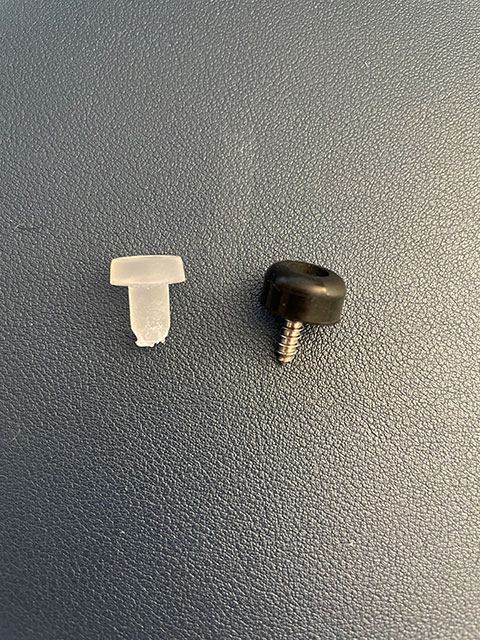
The other irritant that I’ve discovered are paddles that are meant to be used with one hand, yet they slide all over the place unless you use the gentlest of gentle touches when sending. For the most part, the Vibroplex devices I own don’t have this problem. The Iambic Standard and Vibrokeyer both have large rubber feet screwed into the bottom of the base and require a bit of effort to scoot them across a surface when in use. The Code Warrior Junior, as much as I hate that little thing, surprises me with its clear silicone (maybe?) stick-on feet that are surprisingly scoot-resistant. My new-to-me N3ZN ZN-9ZX paddles have screw-on black rubber feet that, when paired with the overall weight of the thing, keep any side motions at bay when the paddles are in use. However, and this is one of only two marks I have against the Begali Simplex Professional–the feet they use are press-fit, clear silicone (maybe?) feet that are hard as rocks and slick as snot.
I tried to solve that problem by purchasing a purpose-made mat that I could set the paddles on. The mat itself was slippery so I took a bit of fine sandpaper to it to rough up its surface a bit and that helped out quite a bit. But it always bugged me that I paid what I paid for this Begali hardware and it came with bargain bin feet. How could I solve that problem?
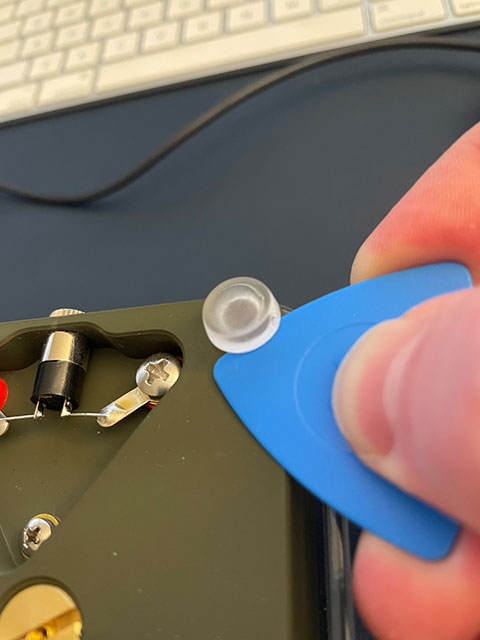
As I was so pleased with the black rubber feet on the other paddles I own, I searched for a suitable set of feet that I could swap onto the Begali. Since the base of the Begali is not tapped to accept screw-on feet, I originally searched for something that could just glue on in place of the existing feet. While taking one of the original feet off, I realized that there are holes in the bottom of the base and the feet are pressed into there and held in place by a dab of glue of some sort. They are easy to pry out using a plastic spudger. This presented some problems since I now thought that I’d need a foot that could press into the hole in the base. But then I had an epiphany. Why couldn’t I use a screw-on rubber foot and secure it in the unthreaded hole in the base using hot glue?
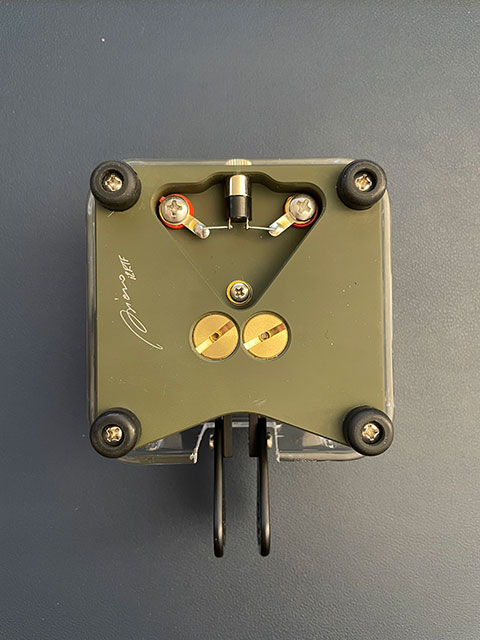
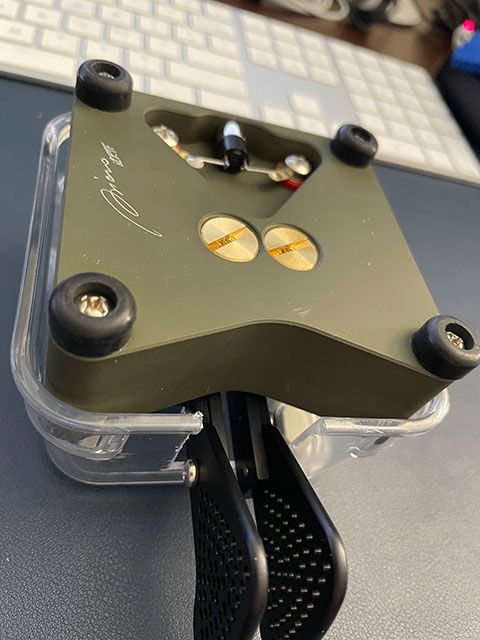
So, using a hot glue gun and some glue, I swapped out the original slippery feet for nice slip-resistant black rubber feet. Not only does the black rubber fit in well with the rest of the color motif of this paddle (black hardware on a military matte green base), the Begali Simplex Professional scoots no more! This was a quick, easy fix and I thought it was worth sharing.
Here is a visual walk-through and a few notes of the process start to finish. If you have questions, let me know!
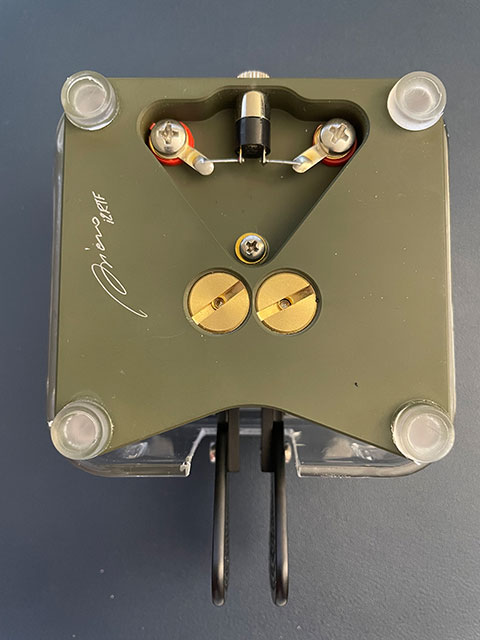
The plastic spudger is critical here because of the fragility of the finish Begali uses on these bases. They are extremely easy to scratch.
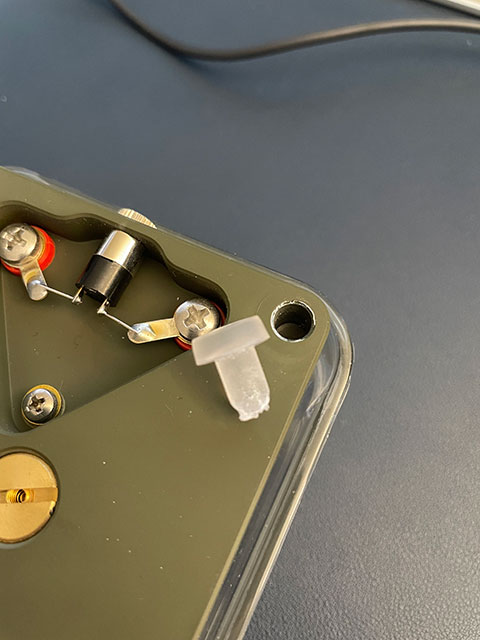
I then wanted to dry-fit the new shoes. This is going to look nice!
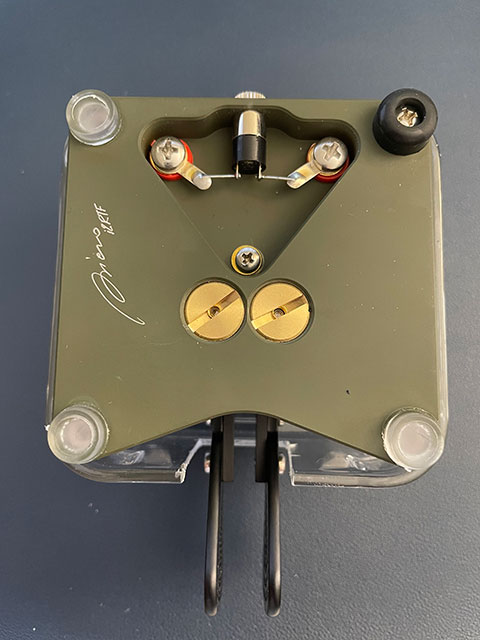
These new rubber feet would typically be fastened with screws. The screws are just the right size to fit completely within the same space the original feet consumed.
The finished product looks really slick.
73,
Matthew, K2MAS
As a member of Amazon’s Associate program, I earn a small commission on qualifying purchases made through referrals. This helps offset the costs of hosting this website and are greatly appreciated.
 K2MAS.net