If you’ve read any of my previous posts, you’ll surely know that I am a fledgling CW student. I purchased, as my first-ever Morse paddle, a Vibroplex Iambic Standard paddle and quickly found that it would be much too heavy to carry around while operating portable. It sure is a great desk paddle, though! However, a portable paddle would need to be, well, more portable.
I’ve been watching a lot of hams online operating POTA and such and in more than a handful of those videos and blog posts a particular Morse key kept appearing — the CWMORSE.US pocket paddle (or similar). Naturally, I wanted one and it arrived recently.
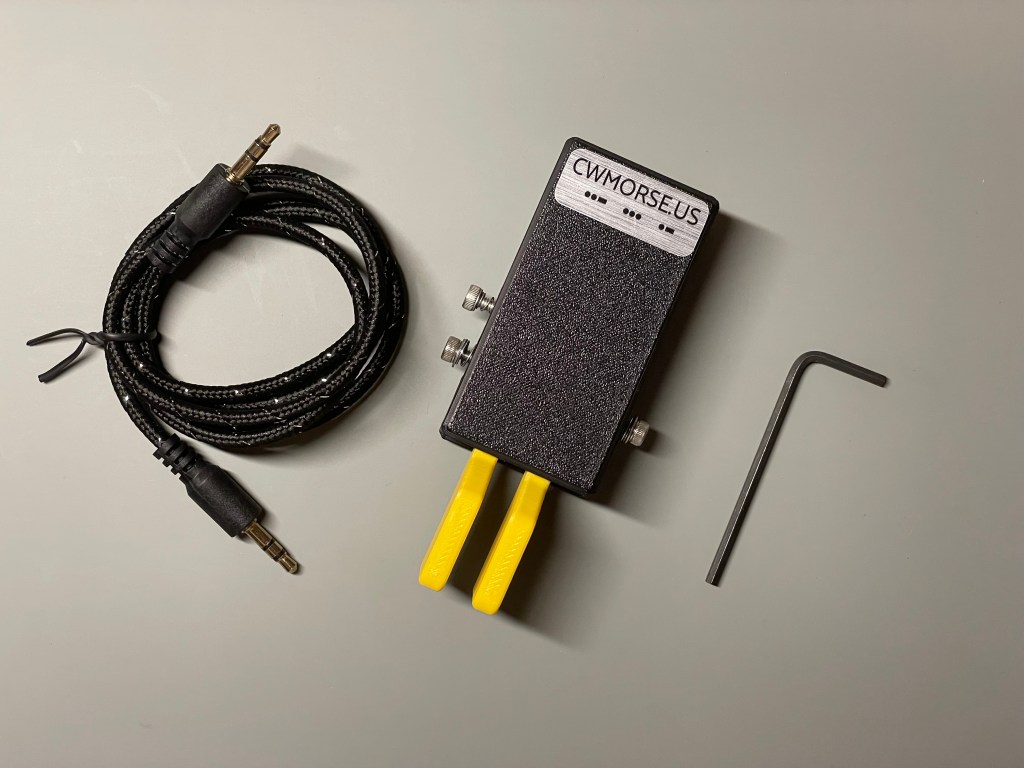
The Pocket Double Paddle Morse Code Key is relatively affordable and comes in a couple of configurations. The configuration I purchased is the one without the included magnets in the base. The plain ol’ pocket paddle with yellow paddles set me back just $42 +shipping.
Customers have the option to include either a 1/4″ or 1/8″ TRS aux cable for an additional $5 for connecting your new paddle to your transceiver or external electronic keyer like the Ultra Pico Keyer from HamGadgets. Each paddle also comes with a 2.5mm Allen wrench which fits the adjustment screws on either side of the paddle body. Each paddle can be adjusted independently to suit the user’s preferences. The Allen wrench can be kept conveniently in a hole in the base of the paddle when not in use, but to be honest, I doubt I’ll carry the wrench along with me as the adjustment screws have knurling that makes adjustments with just your fingers quite easy. Perhaps a better solution would have been to print in a recess in the bottom of the paddle base where the wrench could be snapped into while not in use.
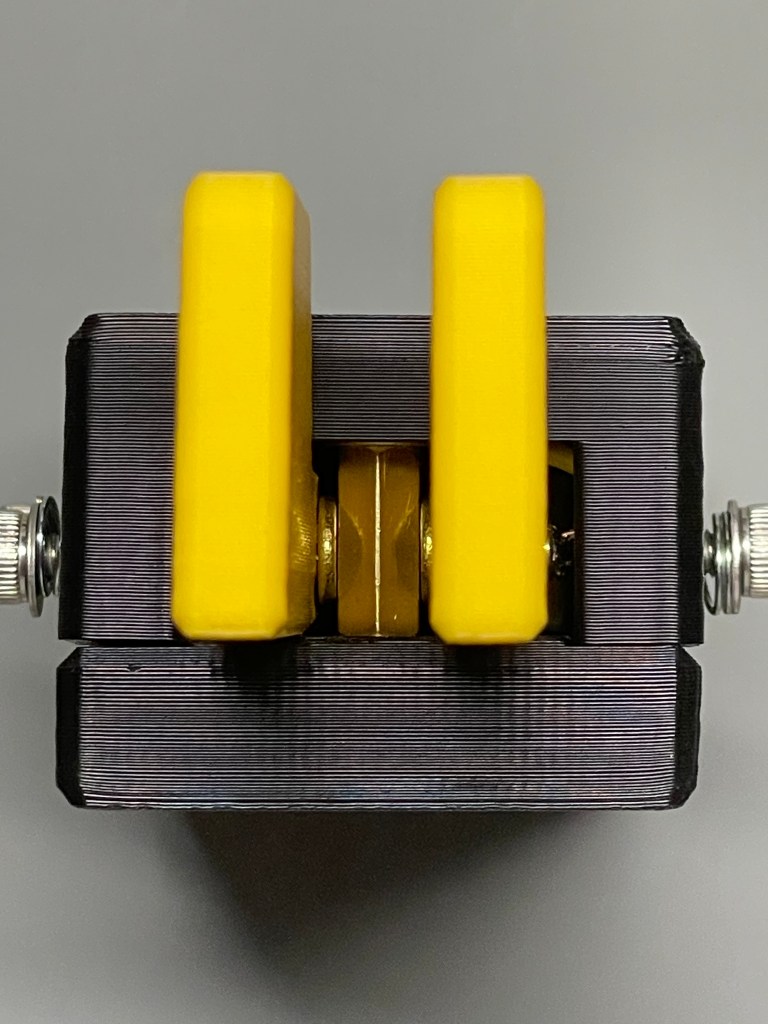
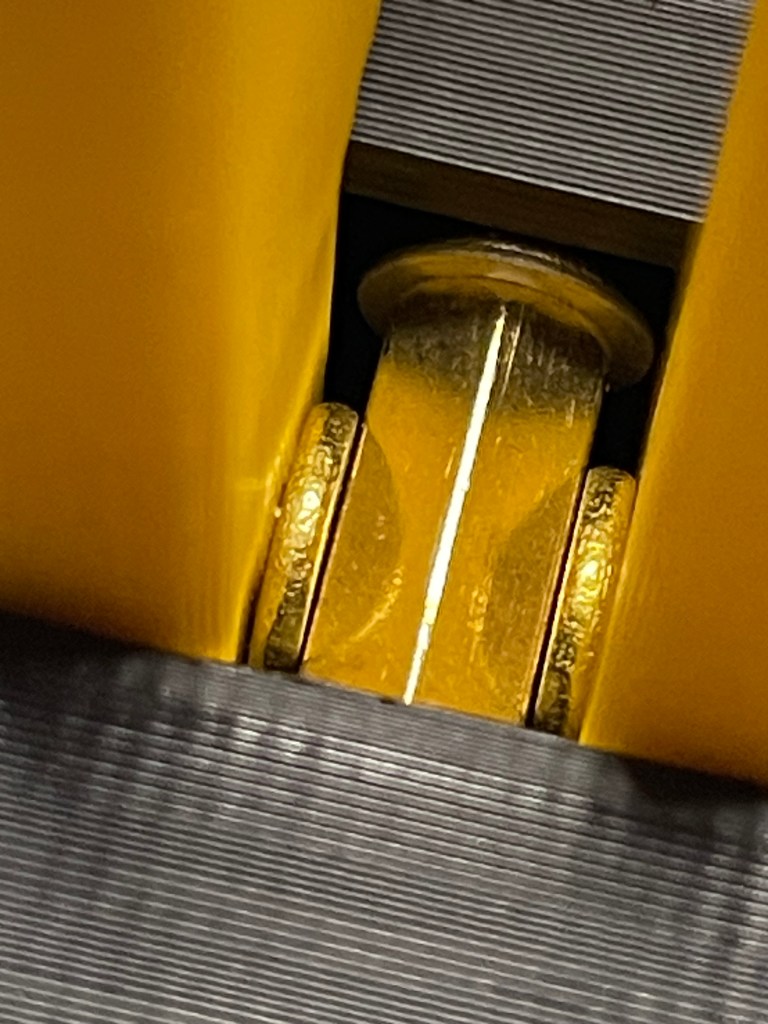
The pocket paddle appears to be well-made. It is obviously 3D-printed, but the quality is quite good. There are no obvious misaligned parts or flaws that I can see. There are brass pins that extend through each paddle and a brass rod in between the paddles that serves as the contact point for the paddle pins.
I also purchased the optional plastic storage tube, which provides some protection for the paddle while in transit to your operating location.
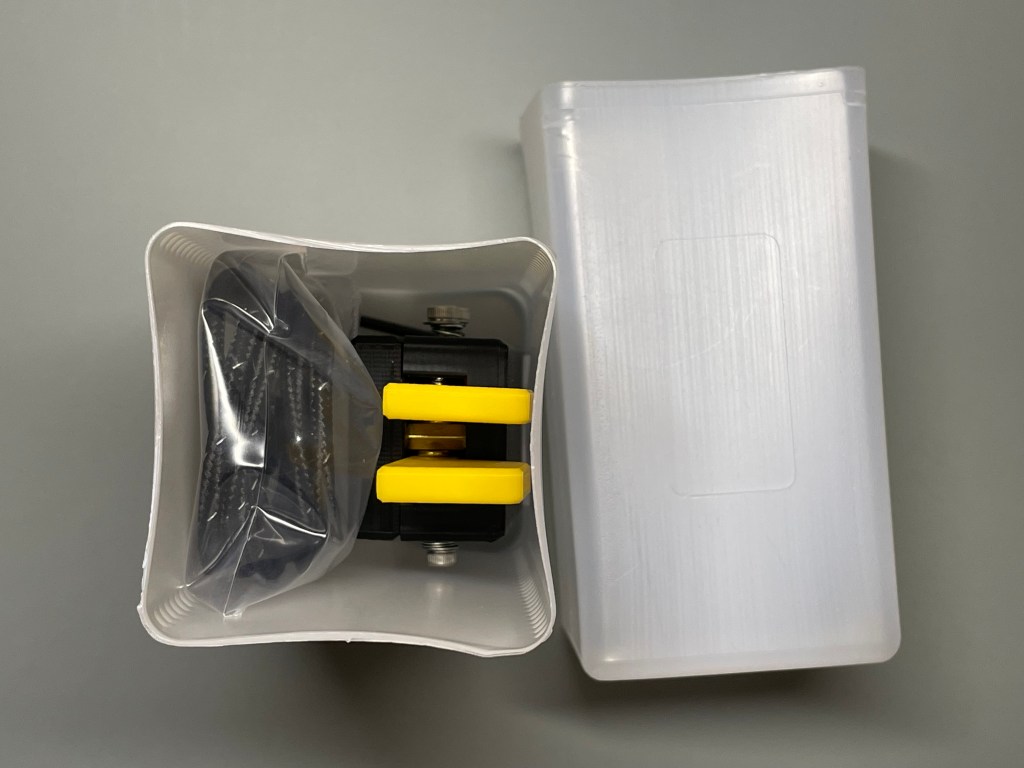
Here are some more photos of the paddle to provide some real-world sizing perspectives.
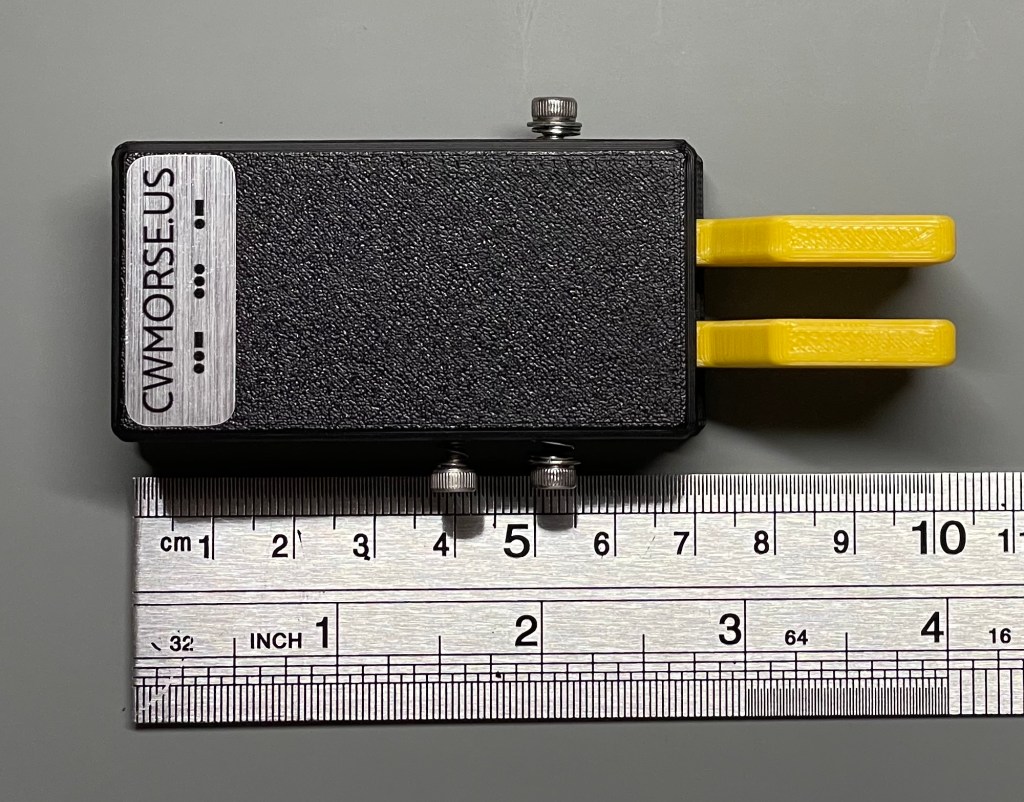
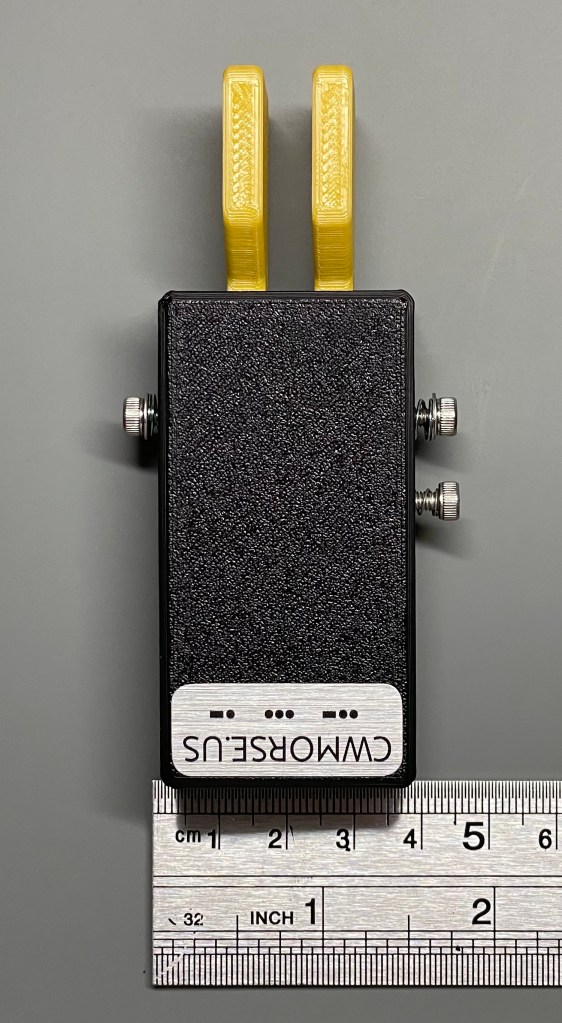
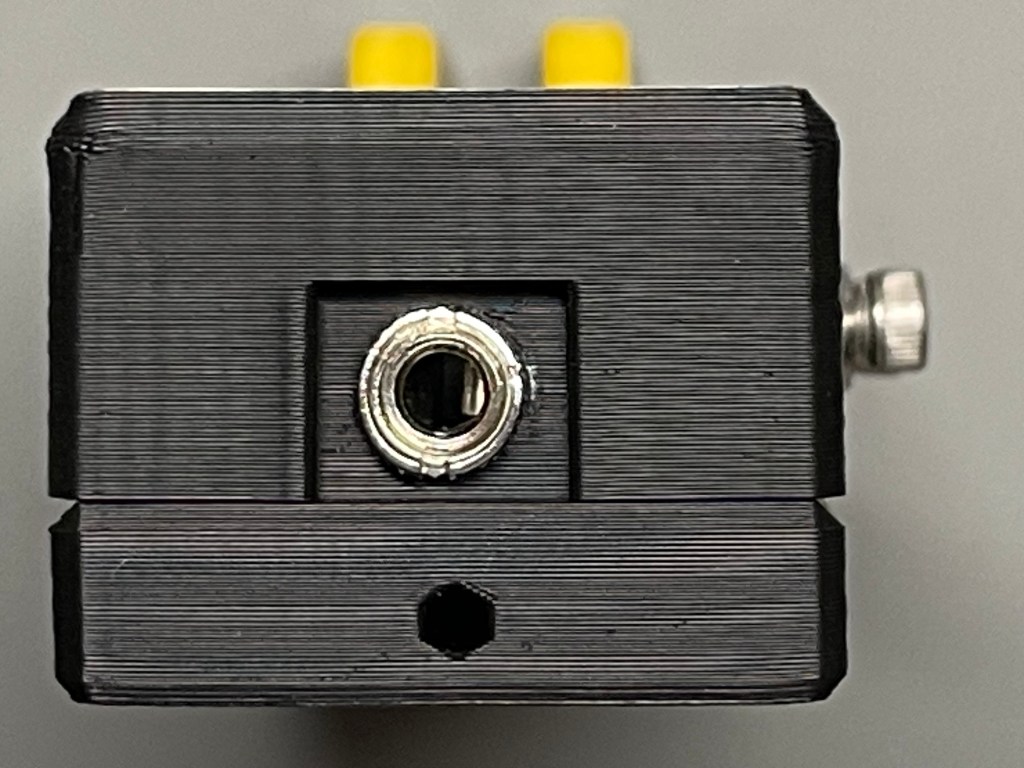
Overall, I’m very pleased with the new paddle. I’m not proficient enough to make QSOs on the air yet, but I’ve made a few on VBand with this paddle and can say that it performs quite well after adjusting the paddle spacing to your preferred settings. I like my paddles to not move very much so my contact spacing is pretty tight, as you may have noticed in the photos.
See you all on the air. 73 de K2MAS
K2MAS.net is not affiliated with any of the sites or products listed in this article. All opinions are the author’s own.
As a member of Amazon’s Associate program, I earn a small commission on qualifying purchases made through referrals. This helps offset the costs of hosting this website and are greatly appreciated.
 K2MAS.net